Are you tired of your plants looking pale and struggling to thrive despite your best gardening efforts? Often, the root cause stems from nutrient-poor soil. This is where natural fertilizers emerge as a game-changer for homeowners and urban gardeners looking to enhance their green spaces. For many, switching to natural fertilizer for plants is not only a more sustainable way to nourish plants but also a method that encourages long-term soil health and productivity. This comprehensive guide will cover everything you need to know about natural fertilizers—what they are, how to assess plant needs, best practices for application, specific recommendations, and resources to help you grow effectively in your local gardening environment.
1. Understanding Natural Fertilizers
1.1 What Makes a Fertilizer ‘Natural’?
Natural fertilizers are derived from organic sources, including plant materials, animal manure, and minerals, as opposed to synthetic chemicals. They work by slowly releasing nutrients into the soil, enhancing its organic matter and promoting a healthy ecosystem for beneficial microbes. This contrasts with chemical fertilizers that can offer quick bursts of nutrients but often risk soil degradation over time.
1.2 Benefits of Natural Fertilizers for Local Gardening
Using natural fertilizers provides several advantages tailored specifically for local gardening enthusiasts. They are environmentally friendly, promoting sustainability, and enhance earthworm activity and microbial growth within the soil. Moreover, plants nurtured with natural fertilizers often demonstrate improved disease resistance and overall health. Homeowners with vegetable gardens can particularly benefit, as these fertilizers can produce safer, tastier yields without harmful chemical residues.
1.3 Common Types of Natural Fertilizers Available
Various natural fertilizers are available, including:
- Compost: Decomposed organic material that enriches soil structure, improves nutrient retention, and supports microbial life.
- Worm Castings: Nutrient-rich byproducts of earthworm digestion, known for their high content of humus and beneficial bacteria.
- Manure: Animal waste, typically from cows, chickens, or horses, can enrich soil with essential nutrients when properly aged to avoid burning plants.
- Bone Meal: Ground animal bones that provide phosphorus, crucial for root development and flowering.
- Seaweed Extract: Offers a rich source of micronutrients and minerals that help improve plant vigor and growth.
2. Assessing Your Plant’s Needs
2.1 Identifying Nutrient Deficiency Symptoms
Recognizing signs of nutrient deficiencies is critical for gardeners to apply the correct natural fertilizers effectively. Yellowing leaves may indicate a nitrogen deficiency, while poor flowering could suggest a lack of phosphorus. If root systems seem stunted, it may be time to check the potassium levels in the soil.
2.2 Understanding the Main Nutrients: Nitrogen, Phosphorus, and Potassium
Plants require three primary nutrients—Nitrogen (N), Phosphorus (P), and Potassium (K)—commonly referred to as N-P-K. Each plays a vital role: nitrogen promotes leafy growth, phosphorus supports strong root systems and blooming, while potassium enhances disease resistance and fruit quality. It’s essential to choose fertilizers that provide the right balance targeted to the specific needs of your plants.
2.3 DIY vs. Ready-Made: Choosing the Right Fertilizer
Deciding between DIY fertilizers and commercially available options depends on personal preference and availability. DIY solutions like kitchen scraps (e.g., coffee grounds, banana peels) can be highly effective and sustainable, while ready-made organic fertilizers might provide a more balanced nutrient composition without the labor of preparation.
3. Applying Natural Fertilizer: Best Practices
3.1 How to Fertilize Potted Plants Effectively
For potted plants, fertilization needs can be more frequent due to limited soil volume and nutrients. Generally, applying natural fertilizer every 2-3 weeks during the growing season is advisable. Techniques include mixing in granular fertilizers, diluting liquid fertilizers with water, or using slow-release organic options that nourish over time.
3.2 Seasonal Timing: When to Apply Fertilizer
Timing is everything. The best periods to fertilize plants are during their active growth phases in spring and summer. During these months, plants can absorb nutrients efficiently, resulting in optimal growth. In fall and winter, as many plants enter dormancy, they require less frequent fertilization.
3.3 Avoiding Common Fertilization Mistakes
Over-fertilization is a common mistake that can burn plant roots and degrade soil quality. Be cautious about the quantity applied, and ensure that the fertilizer chosen aligns with the nutritional needs of the specific plants. Always observe your plants’ responses to fertilizer to adjust practices as needed.
4. Natural Fertilizer for Specific Plants
4.1 Top Natural Fertilizers for Tomatoes and Herbs
For tomatoes, rich sources of potassium like banana peels and bone meal are invaluable. Herbs such as basil respond positively to nitrogen-rich fertilizers like compost or well-aged manure. Tailoring fertilizer choices to the plant type can greatly improve yields and health.
4.2 How to Use Household Waste as Fertilizers
Your kitchen is a treasure trove of potential fertilizers. Coffee grounds can enhance nitrogen levels, and eggshells provide calcium. Simply rinse the eggshells, dry them, and crush them before mixing into the soil or compost. These everyday items not only reduce waste but also significantly benefit your plants.
4.3 Tailoring Fertilizer Choices for Your Soil Type
Understanding your soil type is crucial for effective fertilization. Sandy soils may leach nutrients quickly and require more frequent applications, while clay soils often hold nutrients well but may need help with aeration. Conducting a soil test can provide valuable insights into nutrient content and pH levels, guiding you in selecting the most effective natural fertilizers.
5. Local Solutions and Community Resources
5.1 Finding Trusted Local Providers for Organic Fertilizers
Researching local garden centers or farms can yield excellent options for sourcing organic natural fertilizers. Additionally, connecting with community businesses positioned well in the organic gardening niche can create opportunities for bulk purchases or shared resources.
5.2 Connecting with Local Gardening Groups and Workshops
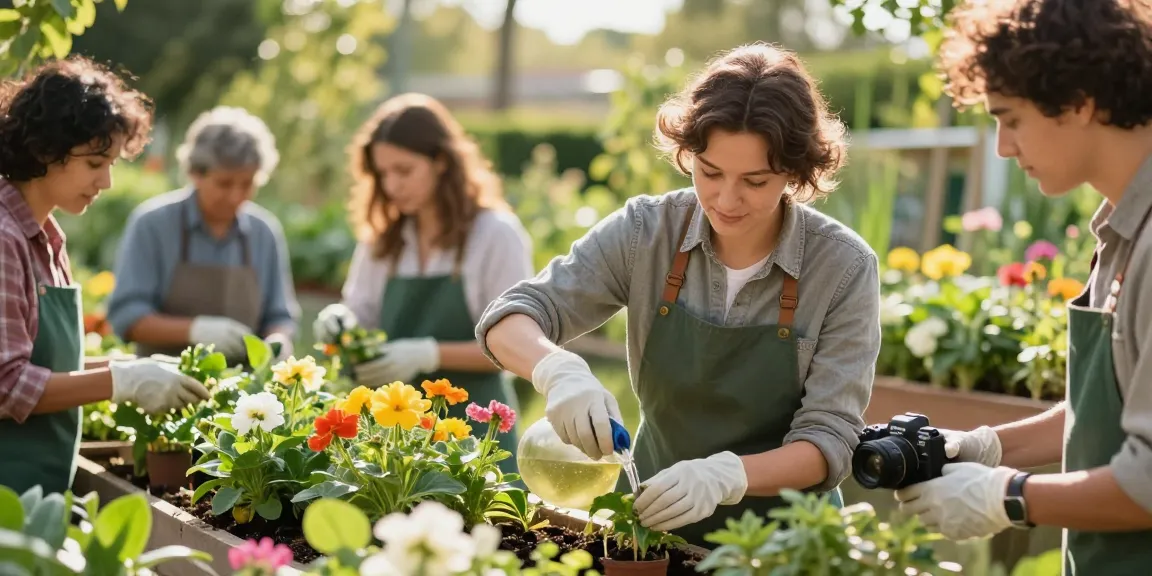
Joining local gardening groups or community workshops not only provides networking opportunities but also offers hands-on experiences to learn about organic gardening practices, including effective uses of natural fertilizers.
5.3 Supporting Local Businesses in Sustainable Gardening
Supporting local businesses that offer organic gardening solutions helps build community resilience. When you purchase locally sourced natural fertilizers, you ensure that your investment contributes to the local economy while promoting a sustainable lifestyle.
By investing time to understand natural fertilizers, gardening enthusiasts can cultivate healthier plants, richer soil, and a more sustainable gardening practice overall. Whether indoors, in urban settings, or within expansive gardens, the right approach to fertilization can yield impressive outcomes, ultimately aiding in producing flavorful and vibrant plants. Take the first step or elevate your gardening efforts by experimenting with natural fertilizers today!